
Business Central ERP for Petroleum & Gas Companies in Lebanon
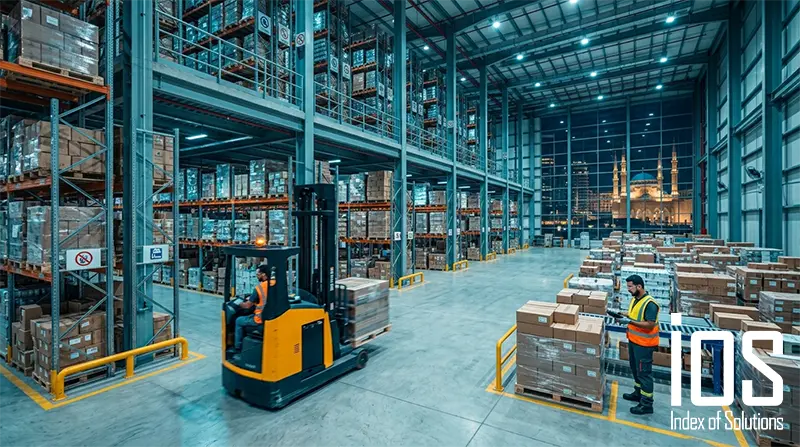
Petroleum and gas companies in Lebanon keep the country running: they import and store fuel, supply stations and the private generators that power homes and factories, and deliver LPG to every region. Margins are thin, prices move often, and a few percent of unexplained stock loss can wipe out a month's profit. Microsoft Dynamics 365 Business Central gives fuel and gas operators one system to control stock, deliveries, pricing, and finance, from the terminal to the final customer.
What Business Central Does for Oil & Gas Companies
Bulk Fuel & Tank Inventory
Track gasoline, diesel, fuel oil, and lubricants by tank, depot, and station in litres, tonnes, or any unit you trade in. Reconcile book stock against tank readings and flag losses before they grow.
LPG Cylinder Tracking
Manage filled and empty cylinders as returnable assets, including deposits, refills, exchanges, and cylinders held by customers or dealers. You always know how many cylinders are out and who has them.
Distribution & Fleet Costs
Plan deliveries to stations, industrial clients, and generator operators. Charge fuel, maintenance, and driver costs to each truck and route, and see the real cost of every delivered litre.
Station Network Management
Run company-owned and dealer-operated stations from one back office: daily sales, meter readings, cash reconciliation, and shop sales. See the margin of each station without waiting for month-end.
Price Volatility & Margins
Update selling prices quickly when official price tables or import costs change, revalue stock correctly, and measure margin per product, customer, and site even when prices move weekly.
Compliance, HSE & Audit Trail
Keep a full audit trail of every receipt, transfer, and sale. Store certificates, inspection records, and safety documents with the relevant tank, truck, or site, ready for regulators and auditors.
The Energy Challenge in Lebanon
Lebanon's fuel and gas sector works under conditions most ERP vendors never plan for: frequent official price changes, imports paid in USD, dual-currency sales, high demand from private generators, and close regulatory scrutiny. Many distributors still reconcile tanks, trucks, and cash in spreadsheets, so losses and margin leaks show up weeks after they happen.
Business Central records every litre and every cylinder as it moves, from vessel discharge and depot storage to truck loading, station delivery, and customer invoice. Operations, finance, and management work from the same live figures, and auditors get a complete trail of every transaction.
Petroleum & Gas Businesses We Work With
- →Petroleum product importers and storage terminal operators
- →Fuel distributors supplying stations, industry, and private generators
- →Gas station networks, both company-owned and dealer-operated
- →LPG bottling plants and cylinder distribution companies
- →Lubricant and petrochemical traders
- →Oilfield service and energy contractors working on project-based contracts
Oil & Gas ERP: Common Questions
Can Business Central manage fuel in litres, tonnes, and barrels at the same time?
Yes. Business Central supports several units of measure per product, with conversion factors between them. You can buy by tonne or metric ton, store in litres, and sell by litre or barrel. For temperature and density-based conversions we configure the calculation to match the method you report to customs and regulators.
How do you handle LPG cylinder deposits and returns?
Cylinders are tracked as returnable items with deposit amounts. When a customer exchanges an empty cylinder for a full one, Business Central records the gas sale and the cylinder movement separately. You keep an accurate count of cylinders held by each dealer or customer, and the deposit liability on your balance sheet.
Fuel prices change every week. Can the system keep up?
Yes. Price lists can be updated centrally in minutes and take effect from a set date and time, at every station and for every customer group. Inventory is valued on the costing method you choose, so margins reflect the actual cost of the fuel you sold, not just the latest import price.
How long does an implementation take for a fuel or gas distributor?
A distributor with one depot and a delivery fleet typically goes live in 10 to 14 weeks. Station networks and multi-depot operations with cylinder tracking usually take 14 to 24 weeks. We run parallel stock reconciliation before go-live so no litre is unaccounted for during the cutover.